trust me , It's legal !
Creative Partner

Trust Me, It’s Legal is a 3–5 player tabletop bluffing and strategy game set in E.K.O.S., a central trade citadel in my original sci-fi universe. Players take on the role of traders transporting legal and illegal goods through a corrupt checkpoint where every declaration can be questioned and every inspection becomes a social negotiation. Designed around themes of trust, deception, authority, and survival, the game combines original worldbuilding with player-driven interaction to create an experience where psychology is more important than luck. Rather than simply telling the story of this world, the project aims to let players experience its systems through meaningful choices, bluffing, and strategic decision-making.
Project Type:
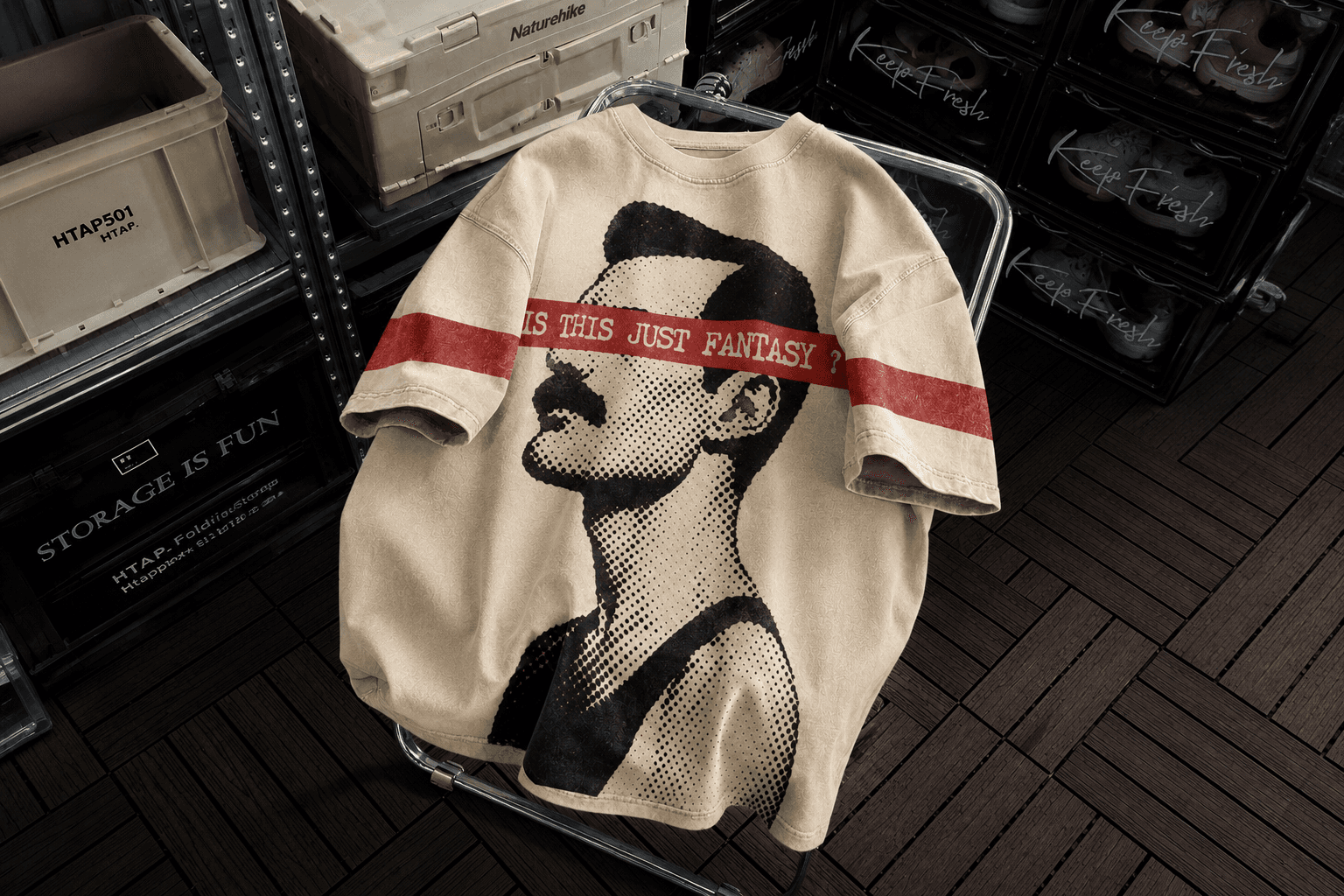
Apparel graphics, product mockups, startup brand collaboration
Brand:
Barnini — early-stage clothing / T-shirt startup
My role:
Creative Partner, T-shirt Graphic Designer
Contribution:
Designed around 15 T-shirt concepts, created mockups, explored product themes, typography, colorways, and future design directions
Audience:
Youth fashion audience, streetwear-inspired buyers, music and graphic T-shirt consumers
Visual direction:
Bold, expressive, slightly grunge/streetwear-inspired, music-led, typography-heavy, illustration-focused
Output:
T-shirt graphics, mockup visuals, theme explorations, design ideas for future drops
Collaboration type:
Paid startup collaboration, per-design contribution


The game is set in the Qin System, a fictional universe built around five interconnected moons with distinct cultures, economies, and belief systems. At its centre lies E.K.O.S., a neutral trade citadel created after the fall of Qin-Lumin, where commerce keeps fragile peace alive. Every moon exports unique goods and ideologies, making trade both a necessity and a source of constant conflict.
Players act as traders attempting to move goods through E.K.O.S. by balancing honesty, deception, and negotiation. Each round follows a simple five-phase structure that creates meaningful social interaction without overwhelming players with complex rules. The design focuses on psychology, observation, and decision-making rather than randomness or excessive mechanical depth.